Home / Blog / Tenant Improvement Checklist
Commercial Tenant Improvements in Vero Beach: A Business Owner Checklist
By GRV General Contractors · Vero Beach, FL · November 4, 2026
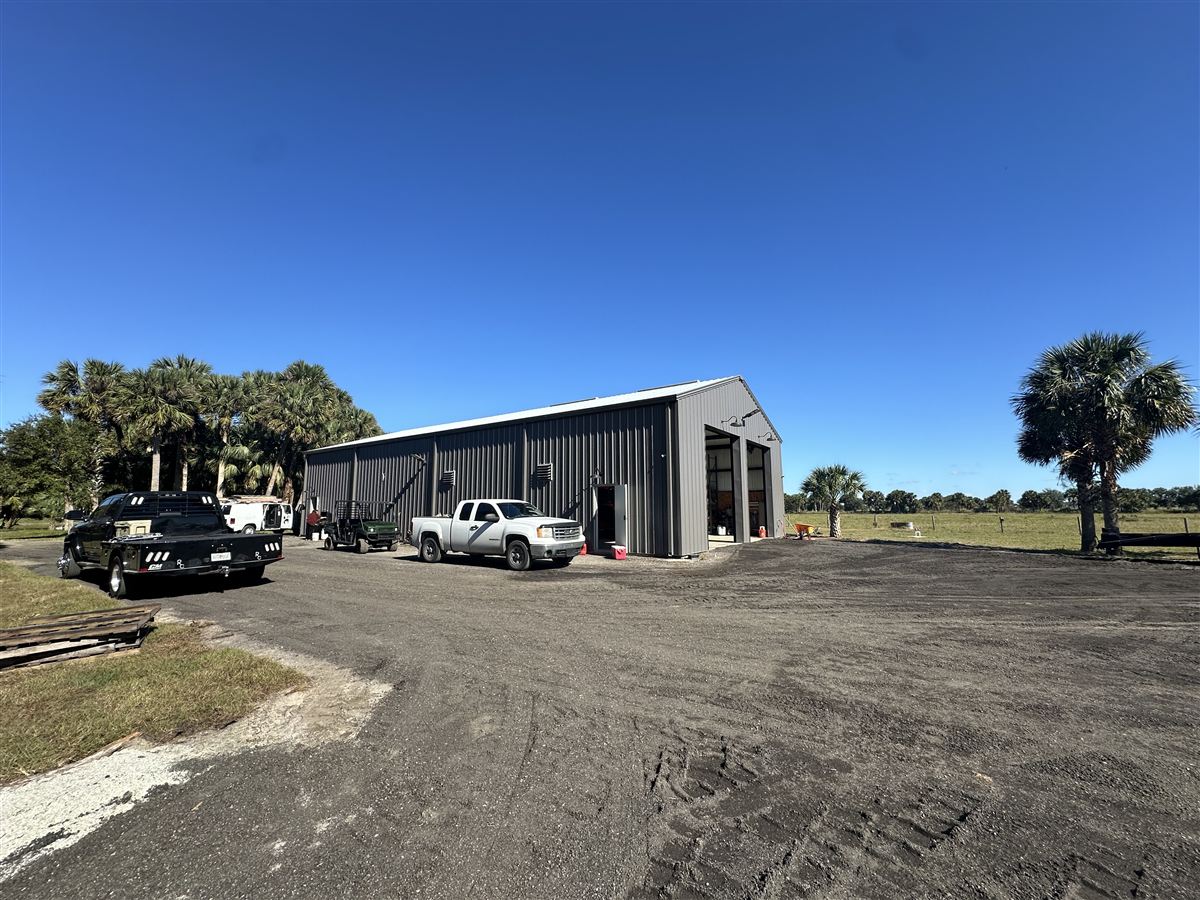
A tenant improvement, or build-out, turns an empty or outdated space into a working business. The lease, the landlord, the permits, and the trades all shape the schedule. This checklist walks you through what to review before you sign and before the first wall comes down.
Review the Lease Scope First
Your lease sets the rules for what you can change. Read the sections on alterations, improvements, and restoration at move-out. Ask whether the landlord offers an improvement allowance and what it covers. Confirm who owns the improvements when the lease ends. Ask how the landlord describes the existing condition, since that affects what you may need to fix.
Get Landlord Approval in Writing
Most landlords require approval before any work begins. Submit drawings and a written scope early. Ask how long approval usually takes and who signs off. Keep copies of every approval, email, and revision. A clear paper trail protects you if questions come up during the build-out.
Plan the Permits
Commercial work often needs permits for electrical, plumbing, mechanical, and structural changes. Permit requirements depend on the scope of work and the building itself. GRV handles permits and coordinates the trades on a project, so one team manages much of the paperwork. Ask who pulls the permits, which inspections are needed, and how each step fits into the schedule.
Check Accessibility Requirements
Commercial spaces must meet accessibility rules. Those rules can affect entrances, restrooms, service counters, parking, and paths of travel. Ask your designer and contractor which items apply to your space and your type of business. Do not assume an older space already meets current standards. A review early in the process is much easier than a change after the walls are closed.
Coordinate the Trades
A tenant improvement often involves demolition, framing, electrical, plumbing, HVAC, drywall, flooring, and paint. Those trades must work in the right order. Ask how the contractor sequences the work and how conflicts between trades get resolved. A single point of contact makes it easier to keep the job on track and to get answers quickly.
Build a Realistic Opening Date
Plan your opening date backward from the day you need to open. Account for permit reviews, inspections, equipment deliveries, and final cleaning. Include time for signage approvals and any city or county walkthroughs. Build in a buffer, because delays are common on construction projects. Ask for a schedule with milestones you can track each week.
Plan Utilities and Equipment Early
Restaurants, medical offices, and retail spaces often need specific power, water, and ventilation. Confirm capacity early. Ask how new equipment connects and whether the building can handle the load. Order long-lead items as soon as you know the specifications. Share your equipment list with the contractor before the design is finished, so the layout works the first time.
Protect the Business During Construction
Work can disrupt a business that stays open. Ask how the contractor controls dust, noise, and access. Plan safe walking paths for customers and staff. Agree on working hours, especially if the building has other tenants. Clear communication keeps neighbors, staff, and customers on your side while the work moves forward.
Scope the Work in Writing
We start each project with a written scope. The scope lists what is included, what is excluded, and which finishes are assumed. Review it line by line before you approve it. Ask what happens if the landlord requests a change midway through. A clear scope reduces surprises and keeps decisions organized from the first day.
Document Everything Before Demolition
Before any demolition starts, take photos and video of the space from every wall and corner. Note the condition of floors, ceilings, doors, and existing fixtures. Record anything that is damaged or already worn. Store these records with your lease and approval papers. If a dispute comes up later about what was there first, your records will help answer it.
Walk the space with the contractor and confirm what stays and what goes. Mark walls to be removed, fixtures to be kept, and any items the landlord wants preserved. A shared walkthrough reduces misunderstandings and keeps the scope tied to the real building.
Questions to Ask Before You Sign
- Who pulls the permits, and who schedules the inspections?
- What does the landlord require for approval, and how long does it take?
- Which accessibility items apply to this space?
- Who coordinates the trades, and who is my point of contact?
- What is included in the written scope, and what is excluded?
- What milestones will show me whether the opening date is on track?
Local Help for Vero Beach and Indian River County Businesses
GRV General Contractors is locally owned and operated in Vero Beach, FL. We serve Vero Beach, Sebastian, Fellsmere, and Indian River County. We handle permits and coordinate the trades, so you can focus on running your business. For a similar project, read our guide on commercial build-outs in Indian River County. You can also learn more about our new construction work.
Ready to plan your build-out? Call 772-766-3388 for a free on-site estimate. We start with a walkthrough of your space and a written scope you can review before any work begins.
Frequently Asked Questions
Who pays for a tenant improvement?
It depends on your lease. Some landlords offer an improvement allowance, and others expect the tenant to cover the work. Read the lease carefully and ask the landlord what is included.
Does a build-out need permits?
Often yes, especially for electrical, plumbing, mechanical, and structural changes. GRV handles permits and coordinates the trades on a project.
What is an accessibility review?
It is a check of the space against accessibility rules for entrances, restrooms, counters, parking, and paths of travel. Ask your designer and contractor which items apply to your business.
Do you offer free estimates?
Yes. GRV offers free on-site estimates. Call 772-766-3388 to schedule a walkthrough of your space.
YOUR VISION IS NEXT
Call 772-766-3388 for a free on-site estimate
Tell us what you’re planning and get a free on-site estimate.
Start a conversation ↗