Renovating a Vero Beach Home With Hurricane Season in Mind
By GRV General Contractors · Vero Beach, FL · October 30, 2026
If you plan to renovate a home in Vero Beach, build with storms in mind. Good choices for windows, doors, roof connections, and wall framing help a home handle wind and driving rain. Plan the work so the house is protected while crews are on site, and ask your contractor to explain each choice in writing.
Why Storm Planning Belongs in Every Renovation
Vero Beach homes face strong winds, heavy rain, and salt air. A renovation is a good time to improve how the house holds up. Walls are open, ceilings may be exposed, and crews are already working on the structure. Adding storm-resistant details at that stage costs less than fixing them later.
Storm planning does not mean rebuilding everything. It means looking at the weak points in the home and choosing upgrades that match the work you are already doing. Start with the parts of the house that take the most stress during a storm.
Openings: Windows and Doors
Windows and doors are often the first place wind and debris cause damage. A broken window can let wind into the home and build pressure inside the walls and roof. That pressure can lift roofing and push out other parts of the house. For this reason, openings are the first thing to review in a storm-ready renovation.
Look for impact-rated windows and doors, especially on the sides of the home that take the most wind. Ask for the rating documentation and read it before you buy. Also check the frames, anchoring, and installation details. A strong product installed poorly will not perform well.
Garage doors deserve the same attention. Many garage doors fail under high wind pressure. Ask whether the door is rated for storm conditions, and whether the track and bracing are built to hold up.
Roof-to-Wall Connections
The roof needs a solid connection to the walls below it. In many Florida homes, metal connectors, straps, and clips tie the roof framing to the wall framing. These connections help keep the roof in place during high winds. When a renovation opens up the attic or exposes wall framing, this is the right time to check them.
Ask your contractor how the roof will be connected to the walls in any addition or remodel. If the roof is being replaced or modified, ask about the connectors and the fasteners. Good details are often hidden behind drywall, so ask for photos before the walls are closed.
Roofing and Flashing
A new roof is only as strong as the layers under it. Underlayment, flashing, and sealed joints protect the home from water intrusion. Ask what materials are planned, how the roof edges are secured, and how the flashing around vents, skylights, and chimneys will be handled.
If your renovation includes a second story or a larger roof, plan the transitions carefully. Places where roof planes meet are common sources of leaks in heavy rain. Ask for a clear plan for these areas.
Walls, Framing, and Continuous Load Paths
A storm-ready home needs a continuous load path. This means the roof, walls, floors, and foundation are connected so loads can travel safely to the ground. Weak links can cause damage when wind pushes or pulls on the structure.
During a renovation, look for new openings or removed walls that interrupt the load path. Ask your contractor how the new framing will tie into the existing structure. A written scope should show how each change will be connected and supported.
Protecting Exterior Doors and Patio Areas
Covered patios, screened rooms, and outdoor kitchens can add comfort, but they also catch wind. Loose furniture, grills, and decor can become projectiles. Ask how covered areas will be anchored, and what materials will be used for the roof, posts, and screens.
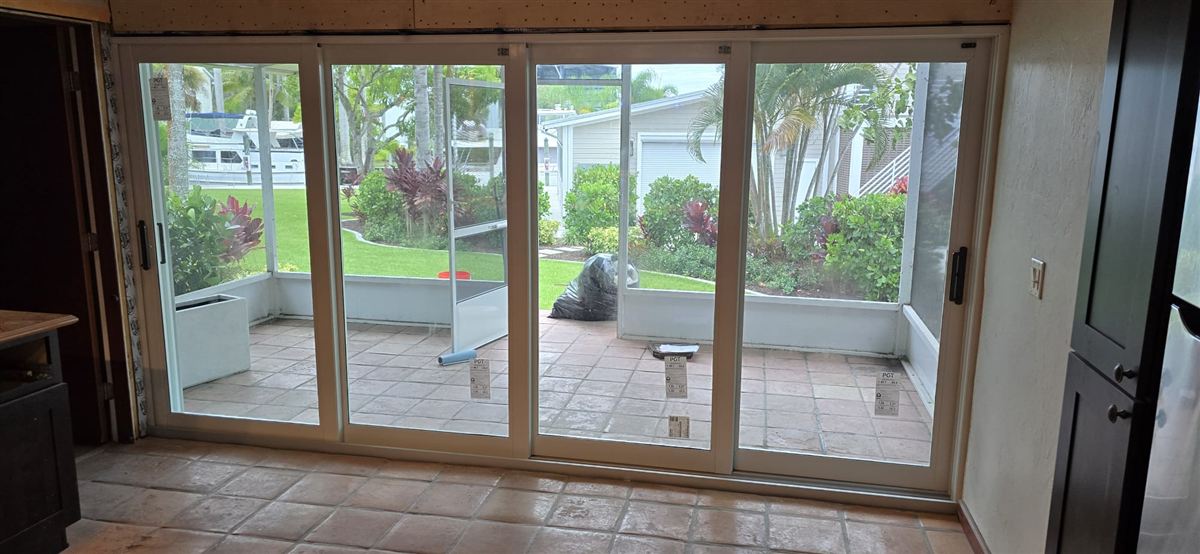
Sliding glass doors and large openings on covered living areas need extra attention. Ask about impact-rated options and proper anchoring. Also consider how the outdoor area will be secured when a storm approaches.
Timing Your Work Around Hurricane Season
Atlantic hurricane season runs from June through November. Plan your renovation with that window in mind. Large projects that expose the roof or remove exterior walls are harder to protect during peak storm months. A plan that finishes the weather-tight envelope before the season starts can reduce risk.
Ask your contractor how they will handle storm warnings during construction. Good planning includes securing loose materials, covering openings, and protecting work in progress. Also ask how schedule changes are communicated, so you know what to expect after a storm passes.
Permits and Coordination
Many storm-related upgrades require permits and inspections. Ask who will handle the paperwork, and when the inspections will happen. Permits protect the home and the owner, and they help make sure the work meets the requirements for the project.
Renovations often involve several trades, such as framing, roofing, electrical, plumbing, and windows. Ask who will coordinate them. Clear coordination reduces delays and keeps the storm-related details from getting missed between trades.
Questions to Ask Before You Sign
Use these questions to compare contractors and plan your project:
- Which openings will be impact-rated, and what documentation will you provide?
- How will the roof be connected to the walls, and can I see the details before walls are closed?
- How will the work be protected during hurricane season?
- Who handles permits and inspections for storm-related upgrades?
- How will you secure the site if a storm warning is issued?
- Who is my single point of contact from the first walkthrough to the final punch list?
Clear answers show a contractor who plans for the home's weak points, not just the finished look.
Talking to Your Insurance Agent
Storm-related upgrades can affect your insurance conversations. Before you start the project, talk with your insurance agent about the changes you plan to make. Keep written scopes, product documentation, and photos of the work. Your agent can explain what applies to your policy. Contractor notes can support your records, but they do not decide your coverage.
Plan Your Vero Beach Renovation With GRV
GRV General Contractors is a locally owned company in Vero Beach. We serve Vero Beach, Sebastian, Fellsmere, and Indian River County. We start each project with a written scope, and we offer free on-site estimates. You will have one point of contact from the first walkthrough to the final punch list.
If you are planning storm-ready upgrades, learn more about our impact windows and doors, and read our guide on impact windows for Florida homes.
Call GRV General Contractors at 772-766-3388 to ask about a free on-site estimate. Bring your questions and your plans, and we will walk through the options with you.
Frequently Asked Questions
Why do openings matter most in a storm-ready renovation?
Windows and doors are common entry points for wind and debris. Once an opening fails, wind pressure can build inside the home and damage the roof and walls.
What is a roof-to-wall connection?
It is the set of straps, clips, and connectors that tie the roof framing to the wall framing. These connections help keep the roof in place during high winds, and they are easiest to check during a renovation.
Should I schedule a renovation during hurricane season?
Hurricane season runs from June through November. Large projects that expose the roof or exterior walls need a plan to stay protected during storm months, so ask your contractor how they handle it.
Can I get a free estimate for storm-ready upgrades?
Yes. GRV General Contractors offers free on-site estimates. Call 772-766-3388 to schedule one.
Ask GRV about a free on-site estimate
Tell us what you’re planning and get a free on-site estimate.